Signs You Need a 7x14 Dump Trailer in New Haven
The usual trigger is a pile of debris bigger than your pickup bed: one yard-cleanup or remodel job that would take three or more truck trips, the kind a 7x14 dump trailer finishes in one.
Published
Part of our 7x14 Dump Trailer service.
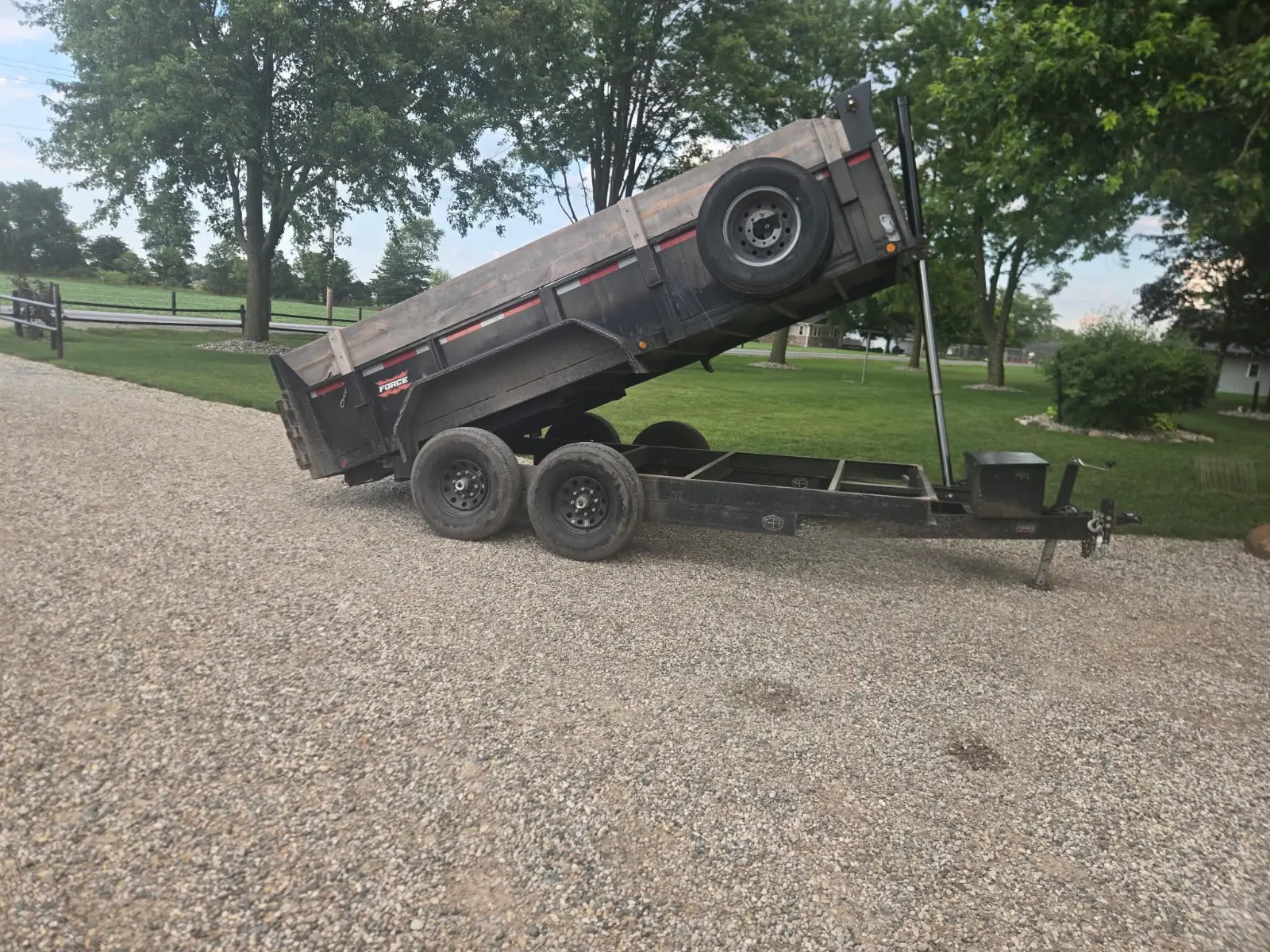
What a Job That Needs a 7x14 Dump Trailer Looks Like
A job that needs a dump trailer usually announces itself in the driveway. It looks like a brush pile taller than your truck bed after a fence line clearing, or shingles stacked along the garage after a small tear-off, or a basement cleanout that filled the corner of the yard in one weekend. JM Trailer Rentals wrote this guide for customers in New Haven.
Most of these jobs start small. A branch cleanup turns into a full tree removal. A bathroom demo quietly fills the garage before you notice the floor is gone. Yard-waste pickup comes once a week and takes a fraction of what you set out.
The usual cause is simple: one project that produces more loose debris than a pickup bed or a few garbage cans can absorb. If the pile has its own address and you're walking around it instead of past it, that's the shape of work a 7x14 dump trailer was built for, and it's the most common reason New Haven and Fort Wayne homeowners call JM Trailer Rentals.
You're Planning Three or More Pickup Truck Trips
Count the trips before you commit to the pickup. A full-size truck bed holds one decent load of brush, maybe less if the material is loose. A garage cleanout or a fence demolition can easily run past that, and each trip to the transfer station costs you the drive, the line, the unload, and the reload when you get home.
Three trips means three loads by hand and a whole day gone. A 7x14 dump trailer takes those same trips' worth of material in one pass, and the dump feature means unloading is a couple of minutes at the disposal site instead of an hour of hauling pieces off the bed.
There's also the point of no return: once the pile sits higher than your bed's sidewalls without stacking, you're either making a lot of trips or leaving debris behind. If you catch yourself doing that math, you've found the line where renting the trailer stops being a maybe.
The Debris Is Heavy, Not Just Bulky
Weight changes the answer more than volume does. Brush, bags of leaves, and old lumber are bulky but forgiving. Dirt, brick, concrete chunks, and a bundle of old shingles are another category entirely, and a pickup's payload fills up on weight long before the bed looks full.
Heavy material is exactly where a dump trailer earns its keep. The steel floor and tall sides are built to carry loads that would squat a truck's rear axle, and dumping beats shoveling a truck bed clean of wet dirt every time.
One caution applies to any trailer, not just pickups: every trailer has a weight rating, and it's possible to overload one too. Spread heavy material across the floor, keep the load level, and don't heap the front. If your job is mostly stone, soil, or shingles, mention that when you call JM Trailer Rentals at (260) 300-5169 so you get straight guidance on loading it right.
Five Checks to Make Before You Rent
Before you reserve anything, run through these five checks. They take ten minutes and tell you whether the 7x14 is the right call or whether a smaller trailer covers it.
- Measure the pile. Pace off length, width, and height in feet. A pile roughly the size of a compact car is already past what a pickup bed handles in one load.
- Count the pickup trips. Estimate how many full beds the pile would take. Three or more is the usual dump-trailer signal.
- Look at your tow vehicle. You need something with a hitch and a trailer light connection. A half-ton pickup handles a loaded 7x14 without drama; a small SUV probably shouldn't be the plan.
- Check your loading spot. Make sure a trailer parked in the driveway or along the street leaves room to work around it and a straight shot for wheelbarrows or a loader.
- Confirm the disposal site. Call the transfer station or landfill and verify they accept your material, since some sites turn certain items away.
If all five check out, the 7x14 dump trailer from JM Trailer Rentals is the straightforward choice.
When a Smaller Trailer Covers the Job
Not every pile justifies the big trailer. If you're hauling a few bags of yard waste, some fence boards, or a couple of loads of general junk, a smaller utility trailer does the same job with an easier tow. The 5x8 utility covers light cleanup around town, and the 7x12 dual-axle utility steps up for denser loads like lumber and brush.
The deciding factors are volume and weight. If the pile fits in two pickup loads or fewer and nothing in it is stone, dirt, or shingles, rent the smaller trailer and skip the dump feature you won't use.
Where the 7x14 pulls ahead is one-trip convenience on jobs that are genuinely big: a tear-off, a lot clearing, a garage cleanout with years of accumulation. Match the trailer to the pile rather than the other way around, and you'll spend less time loading and unloading either way.
You're Loading with a Skid Steer or Loader
If a skid steer is part of your job, the trailer decision gets easier. A Bobcat fills a pickup bed in a couple of passes, which is fast for the loader and slow for you, because every pass still ends in a hand unload at the disposal site.
Paired with a 7x14 dump trailer, the same loader work becomes a straight shot: bucket into the trailer until it's full, drive to the site, pull the lever, dump, done. The trailer sits low enough to load with a bucket, and the dump cycle replaces all the unloading labor.
JM Trailer Rentals rents the Bobcat too, so homeowners and contractors around New Haven and Leo-Cedarville often reserve both for the same job: the loader to gather, the trailer to haul. If you're clearing a lot, tearing out landscaping, or moving spoil piles, ask about getting both at the same time.
When to call a pro
Calling a pro here means two different things, and it pays to know which one applies.
First, the haul itself. A DIY dump trailer rental stops making sense if you find any of these: suspected asbestos or material from an older building you can't identify, wet paint, chemicals, or fuel, appliances with refrigerant still in them, or a disposal site that won't take what you have.
Those items are regulated, and the fix is a licensed hauler or your county's household hazardous waste program, not a trailer in the driveway.
Second, the job itself. If the debris comes with structural work, like a partial tear-off with decking that needs repair, bring in a roofing or demolition contractor and rent the trailer for the cleanup stage afterward.
For everything else, call JM Trailer Rentals at (260) 300-5169. Owner Joe handles each rental personally, from the first call through pickup and return, and can confirm what fits your pile.
Ready to move forward? See our 7x14 Dump Trailer service
Related guides
Written by the JM Trailer Rentals team.
Signs You Need a 7x14 Dump Trailer in New Haven FAQs
How much debris actually fits in a 7x14 dump trailer?
It depends on the material and how you stack it. Loose brush mounds high and fills the sides quickly, while dirt and shingles weigh far more per scoop. The honest way to size it is to pace off your pile and count the pickup loads it would take. Call Joe at (260) 300-5169 and describe the job; he'll tell you whether the 7x14 covers it in one pass.
Can I load dirt, gravel, or old shingles in it?
Yes, those are the classic dump-trailer loads, and they're a big part of why people choose it over a utility trailer. The key is the weight rating: heavy material adds up fast, so load it evenly across the floor rather than heaped at the front, and don't stack above the sides. If your load is mostly stone or soil, mention it when you book so you get loading guidance up front.
What should never go into a dump trailer?
Anything the disposal site won't accept: wet paint, solvents, chemicals, fuel, tires, and appliances with refrigerant are the usual short list, though rules vary by site. Call the transfer station before you load and set questionable items aside. For household hazardous waste, your county's program is the right route, not a trailer.
Still have questions? Call Joe Directly